
I still run trails. I’m in my sixties now, and when I say that out loud, people usually react with a mix of surprise and curiosity. The curiosity is the interesting part. What they really want to know is whether it’s possible for them to feel strong and capable as they get older too.
I believe it is, for most people, in whatever form suits them. Not because anyone can stop time, but because so much of how we feel as we age comes down to something we can influence: how well our bodies recover.
Aging is largely a recovery story
Every day asks something of the body. Effort, stress, illness, a poor night’s sleep, a hard season of life. Each one is a small withdrawal. Recovery is the deposit that follows: tissue repaired, muscle rebuilt, energy restored, mood reset.
When we’re young, recovery tends to happen quickly almost no matter how we treat ourselves. With the decades, it takes more deliberate support. People who age well, in my experience, are rarely the ones who push hardest. They are the ones who recover best.
And recovery is exactly what the rest-and-digest side of the nervous system is for.
Lesson one: walk the steep parts
On a trail, walking the steep sections isn’t giving up. It is strategy. You save your energy for the long run instead of spending it all at once on the first climb.
Life is the same. So many people I work with have spent decades pushing through: through fatigue, through stress, through symptoms. Pushing works for a while. But a nervous system that never gets to stand down eventually pays for it in sleep, digestion and resilience. Learning when to ease off is not weakness. It is how you keep going.
Lesson two: watch the ground just ahead
Trail running teaches you to focus on the next few steps. If you stare at the top of the mountain, you trip on the root in front of you.
Health changes work the same way. Trying to overhaul everything at once is overwhelming and rarely lasts. Choosing one or two small, specific changes and doing them consistently is far more powerful than a grand plan you abandon in three weeks.
Lesson three: fuel matters more every year
With age, the body tends to lose muscle more easily and needs more support to keep it. That makes protein and strength work increasingly important. Spreading protein through the day, rather than saving most of it for dinner, is a simple habit worth building.
Digestion matters too. Stomach acid and digestive enzymes can decline with age and with long-term stress. It’s not only what you eat that counts; it’s what you can actually absorb. Eating in a calmer state and chewing well are small habits with a real payoff.
Lesson four: sleep is training
Runners know that fitness is built during rest, not during the run. The same is true for everyone. Deep sleep is when much of the body’s repair happens. Regular sleep and wake times, morning light, a calmer evening and a cool, dark bedroom all protect it.
Lesson five: listen to the body you have today
Some days the trail feels effortless. Other days my legs are heavy and I shorten the run or walk instead. Overruling the body rarely ends well, at any age.
That kind of listening is a skill, and it can be learned. It starts with noticing: your energy, your digestion, your sleep, your mood, and how they respond to what you do. Your body is always giving you information.
You don’t have to run trails
I’m not suggesting everyone should run up mountains. My point is that the capacity to do the things you love, whether that’s hiking, gardening, playing with grandchildren or traveling, is worth protecting, and much of it is within reach.
The foundations are the same ones I use with every client: a nervous system that knows how to rest, a gut that is well nourished, enough protein and strength, good sleep, movement you enjoy, and people you love around you.
You can read more on the aging well page. If you’d like help building those foundations for yourself, request an appointment.
This article is for education and is not medical advice. Maria is a Nutritional Therapy Practitioner, not a physician. If you have symptoms that worry you, please talk with your medical provider.
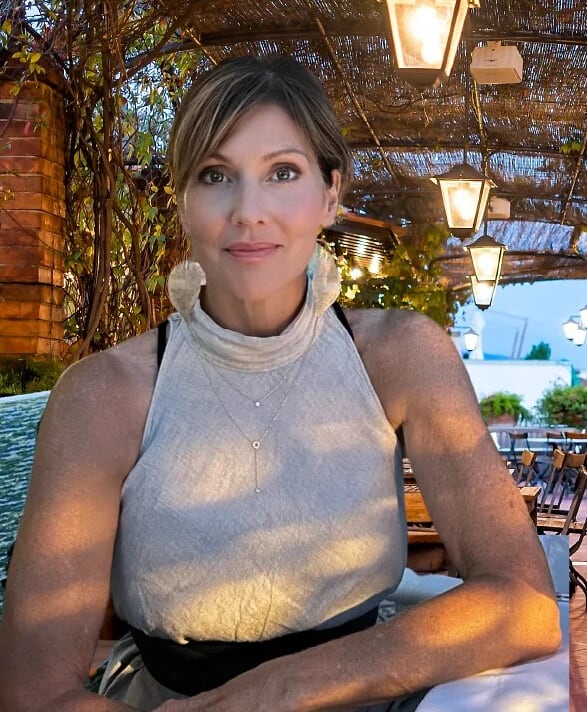
Maria Zilka, NTP
Maria has practiced nutritional therapy for more than fifteen years. Her work centers on the nervous system, digestion and chronic inflammation. She sees clients in person in Beaverton, Oregon, and by secure video. More about Maria